
Machame Route Overview
The Machame Route, often referred to as the “Whiskey Route,” is one of the most popular and scenic routes to climb Mount Kilimanjaro. Known for its stunning views, diverse landscapes, and excellent acclimatization profile, the Machame Route is a top choice for both first-time trekkers and experienced climbers seeking an adventurous journey to Africa’s highest peak.
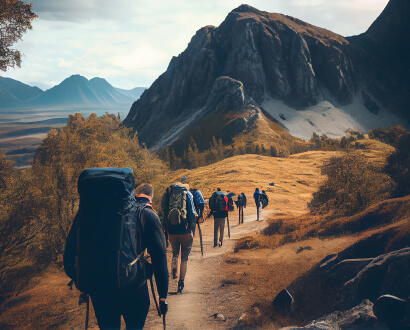
Starting from the southern base of Kilimanjaro, the Machame Route winds through lush rainforests, moorlands, alpine deserts, and finally to the snow-capped Uhuru Peak. The total trekking distance is approximately 62 kilometers (37 miles), typically completed over 6 to 7 days, allowing for better altitude acclimatization compared to shorter routes.
Unlike the Marangu Route, which offers hut accommodations, the Machame Route is entirely a camping trail, giving climbers a more immersive wilderness experience. Tents are pitched at designated campsites along the route, and trekkers are supported by a dedicated crew of guides, porters, and cooks.
Itinerary
Includes/Excludes
Cost Includes
- professional, English-speaking
- guidemountain crew (cook & porters)
- 7 nights‘ stay in lodges and mountain tents
- camping equipment (tents, sleeping mats, chairs, tables etc
- meals according to the itinerary
- drinking water
- all national park fees
- all mentioned transfers
Cost Excludes
- flights (international and domestic)
- meals not indicated in the itinerary
- alcoholic and soft drinks
- sleeping bag (can be rented at extra cost)
- tips
- personal expenses, visa fees, travel insurance
FAQs
The Machame Route is considered a moderately challenging trek. It does not require technical climbing skills, but it does involve long days of hiking and some steep sections—especially the climb up Barranco Wall. Its altitude profile includes a “climb high, sleep low” strategy that aids acclimatization, but climbers should be physically fit and mentally prepared for high-altitude trekking.
The Machame Route has one of the highest summit success rates on Kilimanjaro due to its ideal acclimatization schedule.
-
The 6-day version has a success rate of around 70%.
-
The 7-day version offers a higher success rate of 85–90%, as it allows more time for the body to adjust to the altitude.
Choosing the longer itinerary is highly recommended for those who want to improve their chances of reaching Uhuru Peak.
Accommodation on the Machame Route is camping only. Trekkers sleep in high-quality, weatherproof tents provided by the tour operator. Campsites like Shira, Barranco, Karanga, and Barafu are equipped with designated camping areas. Porters help carry equipment and set up tents, while meals are served in a communal dining tent. This rugged camping experience is part of the route’s adventure appeal.
The best times to trek the Machame Route are during the two dry seasons:
-
January to March (clear skies, cooler nights)
-
June to October (warmer, drier weather and more climbers)
Avoid the rainy seasons—April–May and November—as trails can become muddy and slippery, making trekking more difficult and less enjoyable.
Yes, due to its scenic beauty and high success rate, the Machame Route is one of the most popular on Kilimanjaro. It can be busy, especially during the peak seasons. However, since it uses a separate ascent and descent path (via the Mweka Route), congestion is usually manageable, and the trail offers plenty of moments of solitude and stunning views.
Essential gear includes layered clothing for temperature variation, waterproof boots, a good-quality sleeping bag, trekking poles, a daypack, and headlamp. Because the Machame Route includes cold nights and possibly snowy summit conditions, it’s crucial to be well-equipped. Tour operators usually provide tents, sleeping mats, and meals.